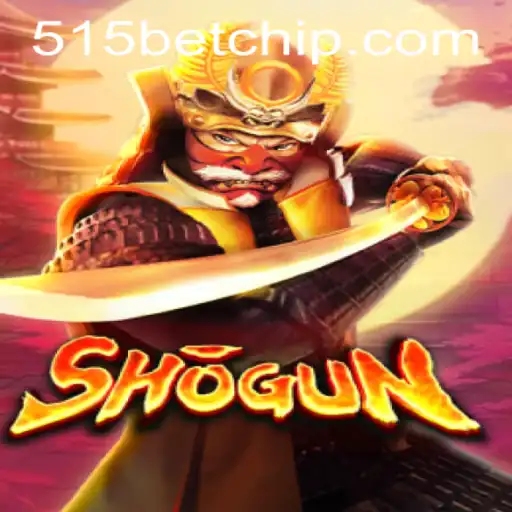
Shogun: A Journey Through History and Modern Play
'Shogun' is more than just a game; it is a historical journey that takes players into the heart of feudal Japan. This strategy game has inspired many with its intricate gameplay, vivid historical portrayal, and strategic depth. In this article, we delve into the essence of 'Shogun,' exploring its gameplay, origins, and relevance in today's world, including its connections to contemporary gaming platforms and communities such as 515bet PH Login.
The Essence of Shogun
At its core, 'Shogun' is a board and strategy-based game that requires players to immerse themselves in the era of daimyos and samurais. The primary objective is to gain control over Japan by utilizing military, economic, and diplomatic strategies.
Players assume the roles of powerful daimyos—regional leaders vying for power to become the next shogun. The game's richness stems from its well-balanced incorporation of warfare, resource management, and political maneuvering, where each choice could lead to prosperity or downfall.
Introduction and Origins
The development of 'Shogun,' inspired by Japanese history, aimed to provide a realistic but engaging experience of feudal Japan during the Sengoku period. Originally launched as a board game in the 1980s, it quickly ascended in popularity due to its blend of historical depth and strategic complexity.
This game taps into the fascination with samurai culture and the power dynamics of ancient Japan. Players must manage resources such as rice and soldiers, which play crucial roles in maintaining their provinces' stability and preparing for inevitable battles.
Shogun Gameplay Mechanics
In 'Shogun,' strategy and anticipation are vital. The game is played on a map representing Japan, divided into various provinces that players must strategically control. Each turn represents a season and involves vital decisions from players to expand and defend their territories.
The mechanics of the game offer immersive combat scenarios where players must decide which generals to deploy and how to allocate resources. Balancing these factors is key to a successful campaign, making strategic planning essential.
Each session progresses through action phases, where players engage in planning, executing, and resolving battles. Unique mechanics, such as the 'cube tower' for combat resolution, introduce an element of unpredictability and skill in managing outcomes.
The Cultural Impact of Shogun
The appeal of 'Shogun' extends beyond its gameplay. It highlights significant cultural and historical contexts, bringing awareness to an era defined by relentless ambition and artistry. The game invites a new appreciation of Japan's architectural marvels and artistic achievements of the time.
Through vivid storytelling and representation, 'Shogun' has also contributed to heightened interest in historical games and educational opportunities, exemplifying the importance of interactive mediums in understanding history.
Shogun and Modern Contexts
In the digital age, platforms like 515bet PH Login have embraced historical games like 'Shogun' by offering diverse audiences the opportunity to experience their favorite titles online. The shift to digital has provided players with unique opportunities to engage with the game more conveniently.
These platforms extend the playability of 'Shogun,' offering robust multiplayer experiences and fostering an active community of enthusiasts sharing strategies and grand stories about their campaigns.
The online settings also offer modern analytics and engagement tools that track player performance, enhancing the competitive strategies that define the game of 'Shogun.'
Conclusion
As 'Shogun' continues to captivate both seasoned and new players, its legacy endures through its depiction of ancient Japan's complexity and allure. It remains a testament to the potential of games to educate, entertain, and engage audiences across generations, making it a timeless classic in both traditional and digital formats.